
Let me guess, you are worried about your business’s SEO, especially links you placed throughout your social media posts, blogs, and professional articles.
| May have spent money on link building as a marketing solution, but didn’t see any great networking results! |
Days, weeks, and months passed but you still didn’t see any expected results, well Rome wasn’t built in a day!
After a year, it may feel like all your efforts and money on link building because most of your links were nofollow.
But, was it all for nothing? No, because link building (nofollow and dofollow) is considered one of the best approaches for Google SERP.
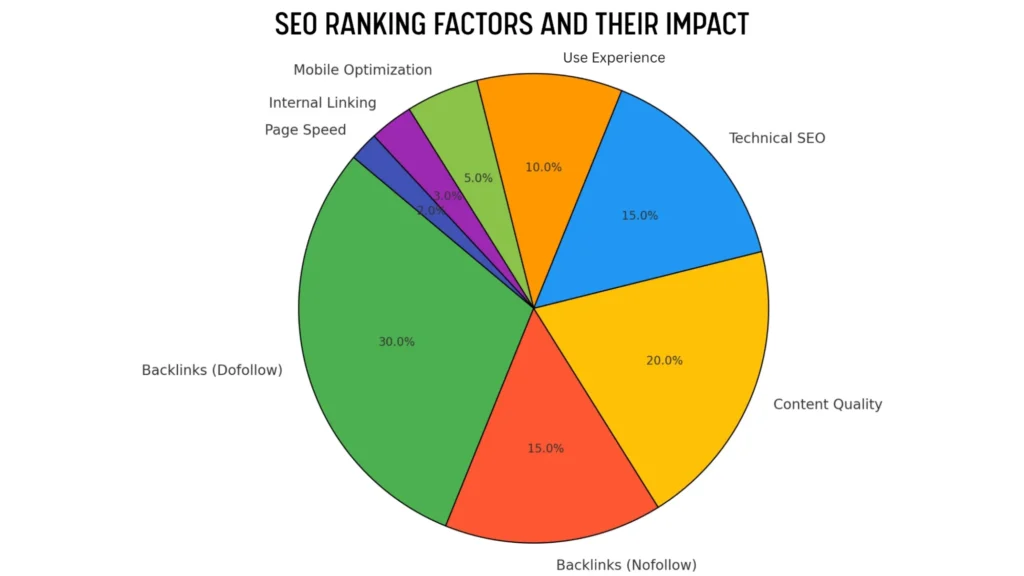
In terms of long form SEO, nofollow links have their own great advantages. But most marketers will not agree with me because they are afraid of nofollow links!
The general concerns can be Can nofollow links still drive referral traffic if they don’t pass link juice?
- Can nofollow links still send visitors to your site?
- Do nofollow links help people recognize your brand?
- Can nofollow links improve your website’s link profile?
- Do nofollow links help with user engagement?
Let’s discuss them below!
What are Nofollow Links?
You have seen this option in WordPress while uploading a blog or article to your website. This little checkbox, often suggested by editors, pops up when you’re linking to an external website.
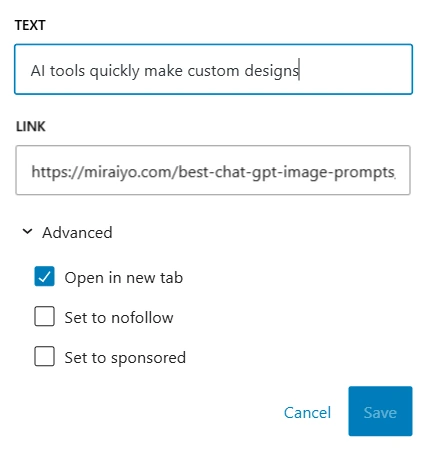
A nofollow option appears, which editors tick when linking a page outside their own website.
In simple terms, a nofollow link is a hyperlink that tells search engines, “Hey, don’t follow this link, and don’t pass any SEO credit to the page it points to.” So, your page is taking all the credit for the link.
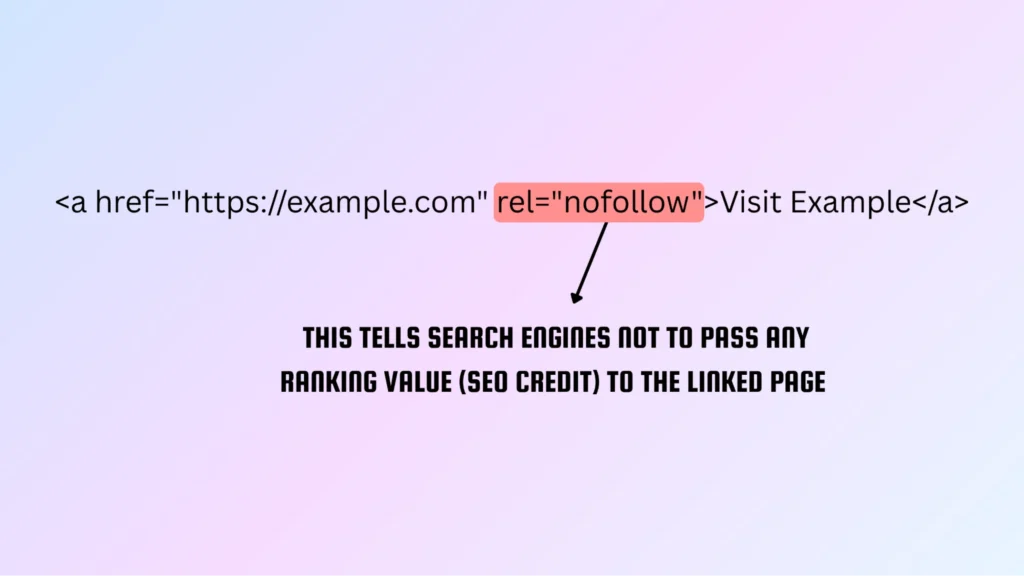
But, when you link to an external site, a dofollow link would essentially transfer a bit of your site’s authority to that linked page, potentially helping it rank higher in search results.
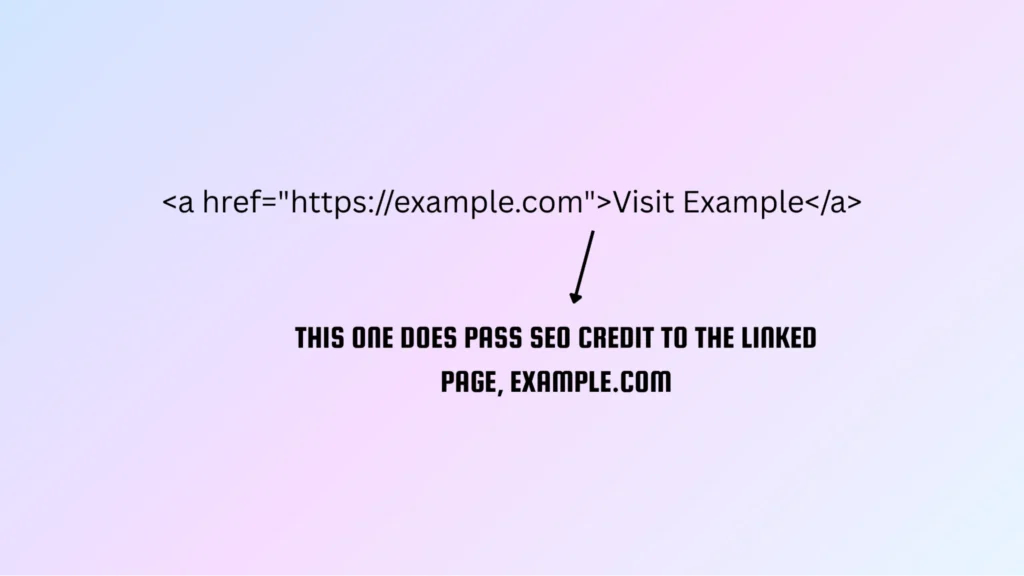
As you can see, nofollow links keep all the juice at home, while dofollow links give a few to quench the thirst of the pointed page.
So, nofollow links can help your website’s SEO and backlink profile while keeping all the credit to yourself.
7 Reasons Why Nofollow Links Work in 2025
Nofollow links don’t sound much bad, even in some cases, feel better than regular dofollow links. Let’s find out the answer behind this question, do Nofollow links help SEO?
1. They are Slightly Better than Dofollow Links
You might think nofollow links have no SEO value, but that’s not entirely true. While they don’t directly pass ranking power like dofollow links, search engines still notice them.
Google uses them as hints to understand your site’s reach and authority. If your content gets a lot of nofollow links from trusted sources, it still signals credibility.
It shows that people find your content worth referencing, even if they aren’t passing link juice. In some cases, these links can help your pages get indexed faster.
They also add a layer of authenticity to your backlink profile.
So, while nofollow links aren’t as powerful as dofollow ones, they still play a meaningful role. You should never underestimate the quiet SEO boost they bring.
2. People Still Click on Them
Even if a link is marked as nofollow, people can still click on it and that matters. When your link appears on a popular site, readers who find it interesting will visit your page.
This can bring real, organic traffic that may convert into leads or customers. After all, clicks are what you really want, not just rankings.
A link on a credible website builds trust with your audience. People often don’t care whether a link is nofollow or dofollow; they just want useful information.
That’s why placing your links in the right context is important.
A well-placed nofollow link can drive thousands of visitors. And those visits can lead to shares, engagement, or even future dofollow opportunities.
So yes, people will click on them, if your content earns their attention.
Also, you will get massive traffic from 1st and 2nd tier links! Here’s how it happens,
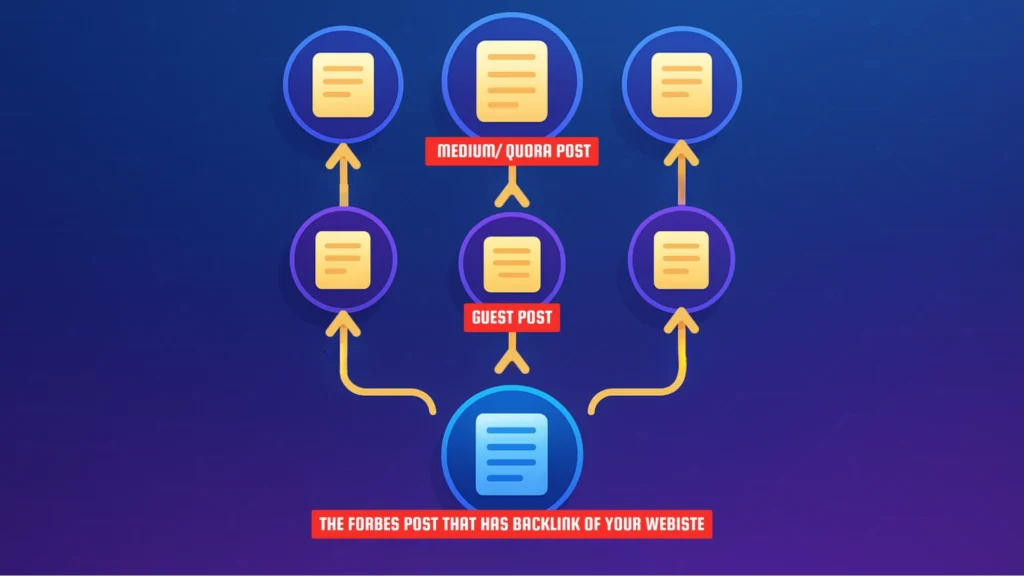
Tier-based link building is a strategy where links are arranged in layers. Each layer supports the layer above it, ultimately boosting your website’s authority and SEO.
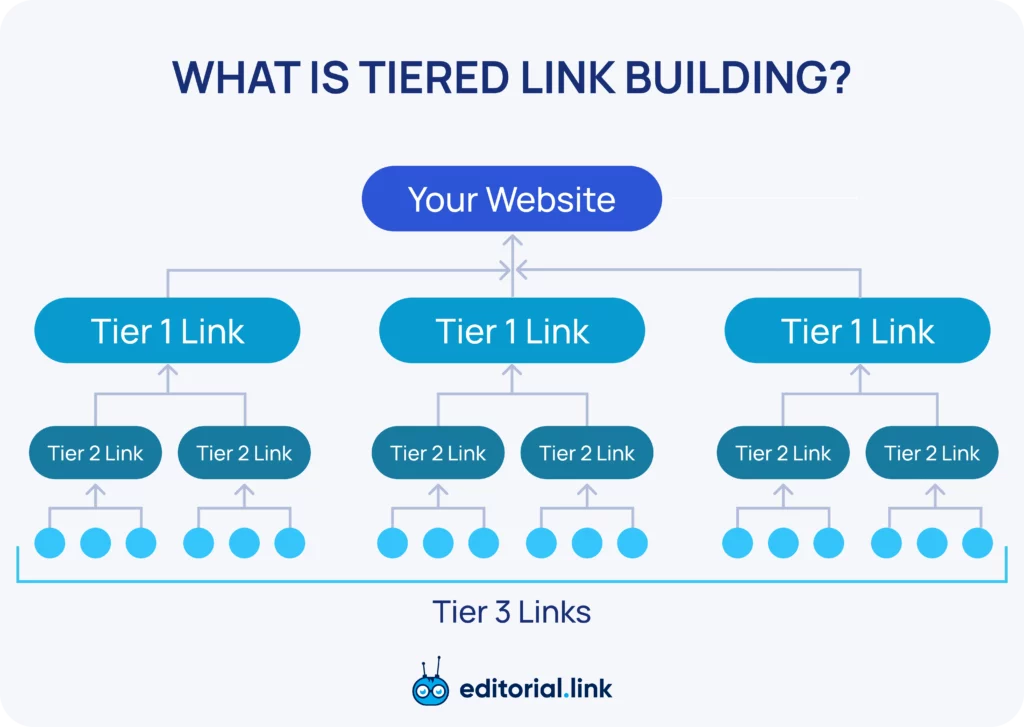
Scenario,
- Tier 1 Link: A high-authority site like Forbes publishes an article and includes a link to your website. This is a direct backlink to your site, known as a first-tier link.
- Tier 2 Link: To enhance the authority of the Forbes article, you create a second-tier link by publishing a guest post on a relevant trade association website. This guest post links to the Forbes article, indirectly boosting its authority.
- Tier 3 Link: As a further step, you publish content on platforms like Medium or Quora that links to your guest post on the trade association website. This third-tier link adds another layer of support.
3. Most People Don’t Care
Here’s the truth: most readers don’t even know what a nofollow link is. They just click when something looks interesting. Only SEO experts worry about link attributes.
For everyone else, it’s about the value of the content behind the link. That’s why you shouldn’t get too caught up in whether a link is nofollow or not.
What really matters is visibility and trust. If your content appears on credible sites, that association alone builds your brand image.
It makes you look reliable, even if no SEO juice flows. Plus, when people find your content helpful, they’re likely to reference it naturally later.
So, you can focus on where it’s placed and who’s seeing it because most people simply don’t care.
4. It Helps with Influencer Marketing
When you work with influencers, most of the links they share are nofollow and that’s perfectly fine. These links are about visibility, not technical SEO.
An influencer’s audience trusts their opinion, and that’s what drives attention to your brand. Even without passing link authority, these mentions can create buzz and increase awareness.
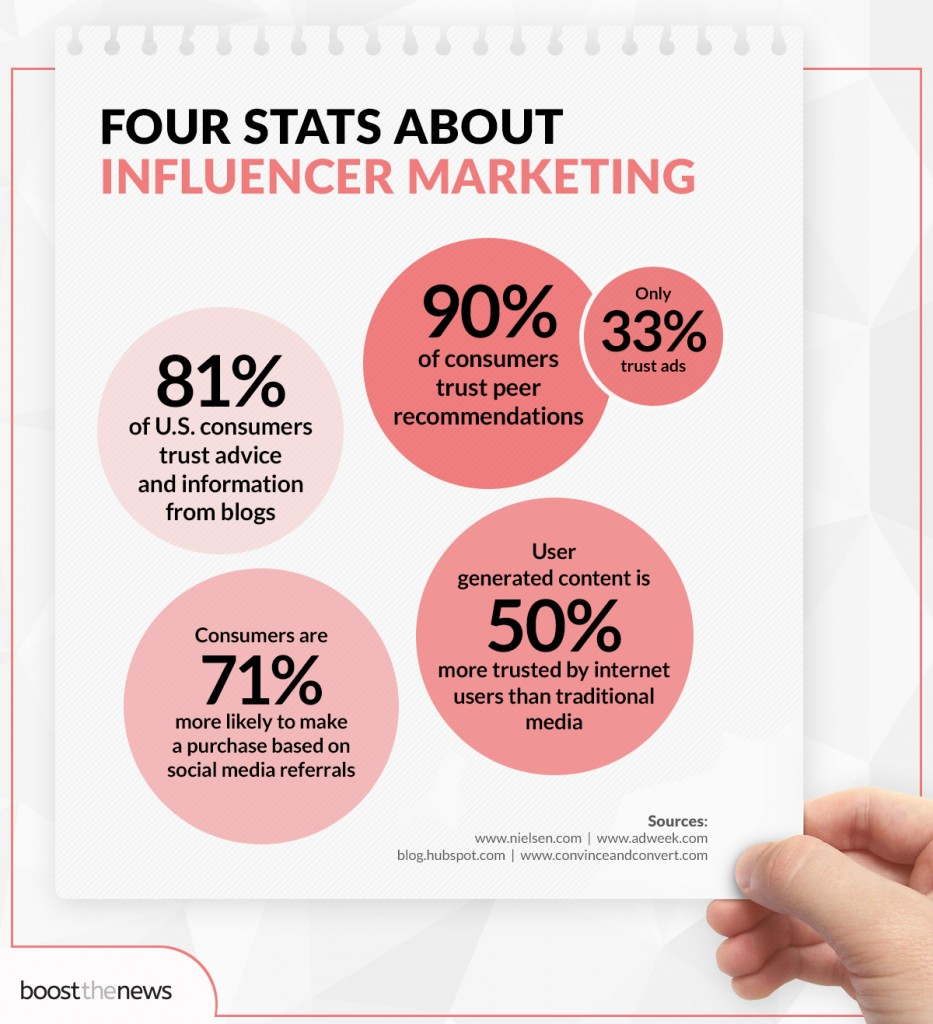
Almost 81% American consumers are influenced by blogs before buying something online, while 71% of consumers are more likely to buy products recommended on social media.
They help you reach people who might not have found you otherwise. Plus, those clicks often lead to genuine engagement, which matters more than link juice.
It’s also safer from an SEO perspective, as it keeps your link profile natural.
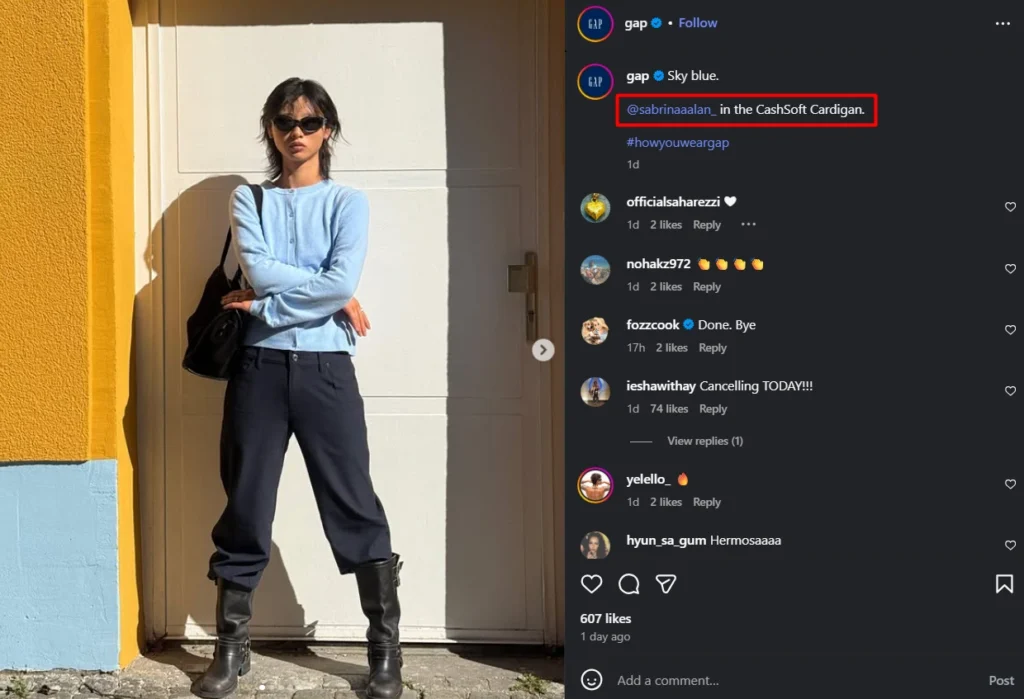
Thousands of companies use influencer marketing regularly, prompting their products using nofollow links. You will see,
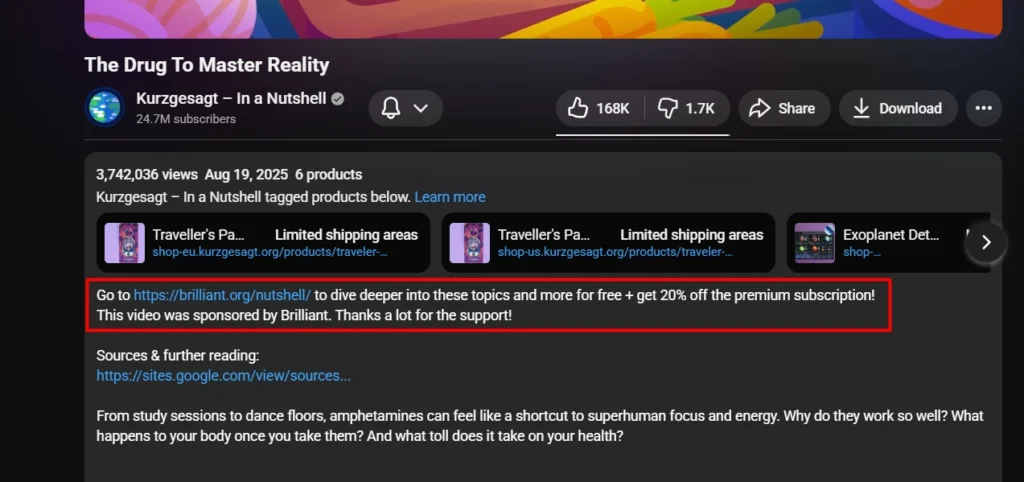
Or an Instagram post indirectly linking models like @Gap does:
5. Nofollow Links can Diversify Backlink Profile
A strong backlink profile isn’t made of just dofollow links, it needs variety. Having both types of links makes your site look natural to search engines.
Too many dofollow links can seem manipulative or unnatural. Nofollow links balance that by showing organic and diverse growth.
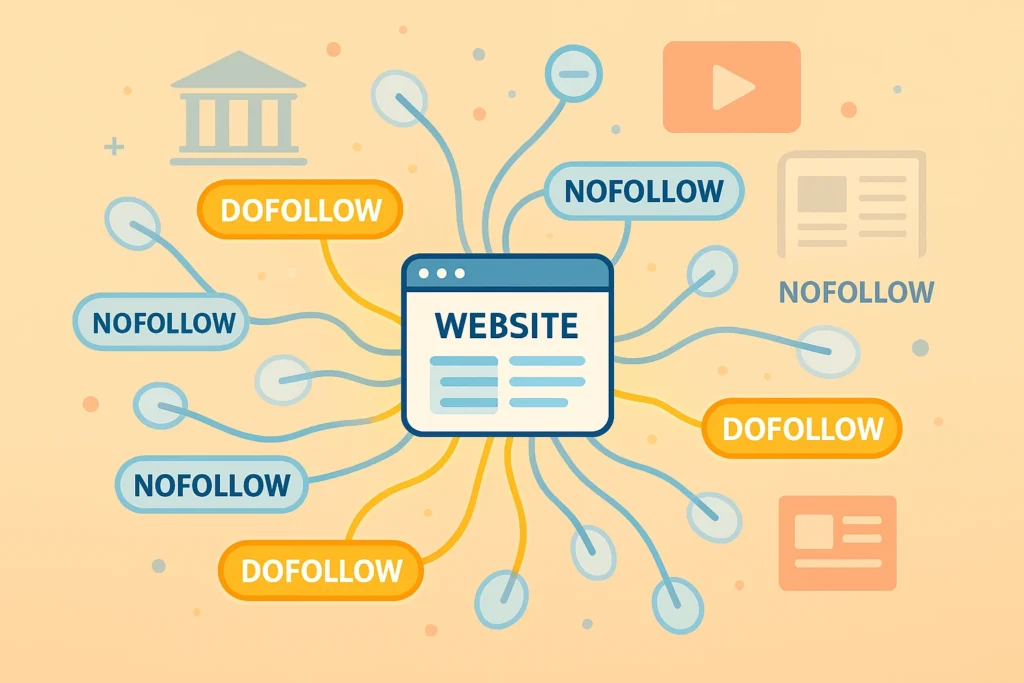
They make your backlink profile look real and trustworthy. When search engines analyze your site, this balance helps avoid penalties. Also, many high-authority sites only give nofollow links, and those still matter for brand exposure.
Think about Wikipedia, YouTube, or major news outlets, most of their outbound links are nofollow.
6. They will Help You to Establish EEAT
EEAT stands for Expertise, Experience, Authoritativeness, and Trustworthiness Google’s way of measuring credibility. Nofollow links can help you build all four pillars.
When respected sites mention you, even with a nofollow tag, it enhances your authority. It tells both users and search engines that you’re part of credible conversations.
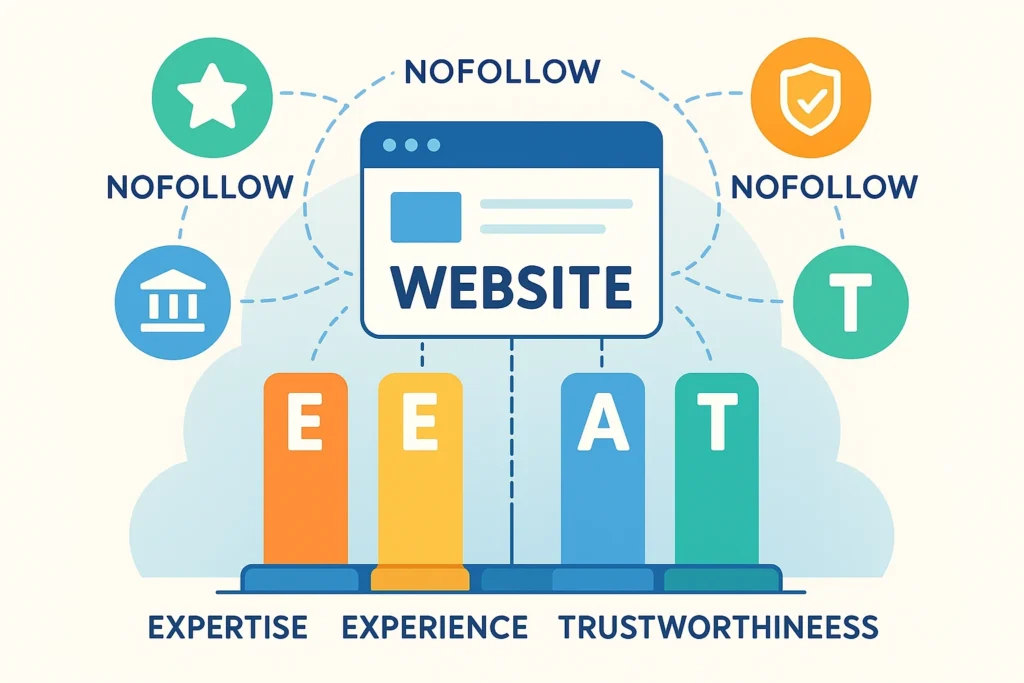
Those references can improve how your brand is perceived online. The more trustworthy places link to you, the stronger your reputation becomes.
It also shows experience, especially when people consistently mention your insights or work.
7. No-Follow Links have Influence in Social Media
Social media platforms like Facebook, X (formerly Twitter), and Instagram use nofollow links by default. Yet, these links drive massive traffic and engagement daily. Every share, tag, or post that includes your link builds awareness.
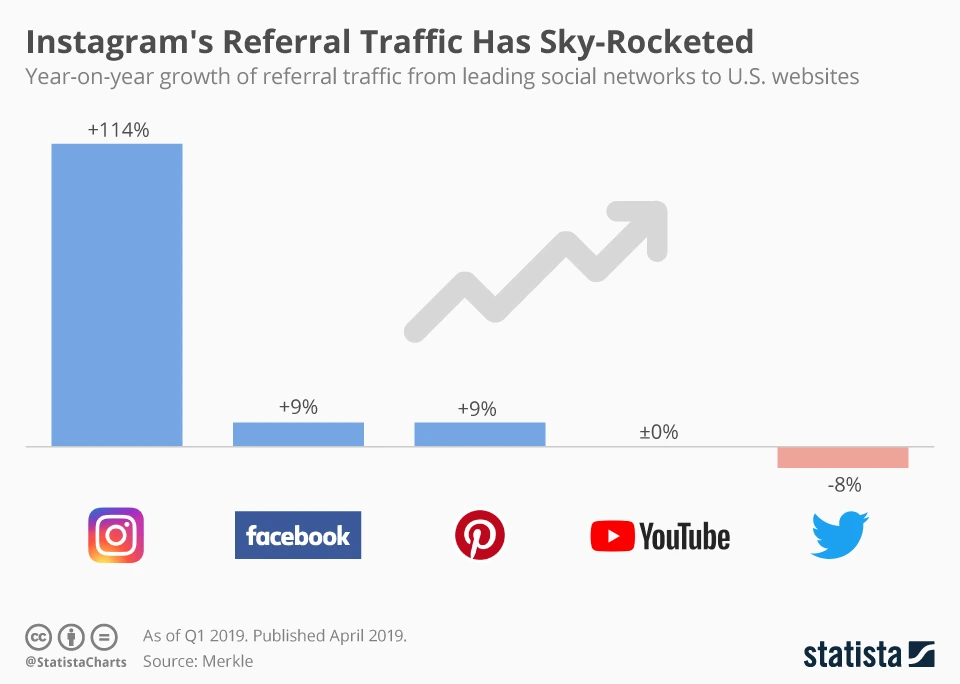
These actions signal popularity and relevance, even if they don’t pass SEO authority. Search engines notice social buzz, especially when your brand gets talked about often.
That’s why being active on social media is still a key growth strategy,
- Facebook remains a dominant source of referral traffic, accounting for 60% of social media-driven visits to external sites.
- Twitter and Pinterest come next in the rankings, both are responsible for 7.7% of total social media referrals.
Nofollow links from social posts can bring referral traffic and brand loyalty. Plus, viral moments often start with one shared link.
FAQ
Nofollow Links are as Important as Dofollow Links
Even though nofollow links don’t directly pass SEO juice, they’re still a powerful part of your strategy. They help you build a natural backlink profile, drive referral traffic, and increase your brand’s visibility.
When people click on your links, share your content, or engage with your pages, search engines notice. These social signals and second-tier link opportunities indirectly boost your authority, making nofollow links quietly influential.
If you’re running a new site or scaling an established brand, using nofollow links wisely keeps your link profile balanced and natural.
Think of them as your silent partners they work behind the scenes to strengthen your SEO ecosystem.
Nofollow links are important. Find a impactful content.